Poggio di
Saragano
Products
The products of the “Il Poggio di Saragano” farm
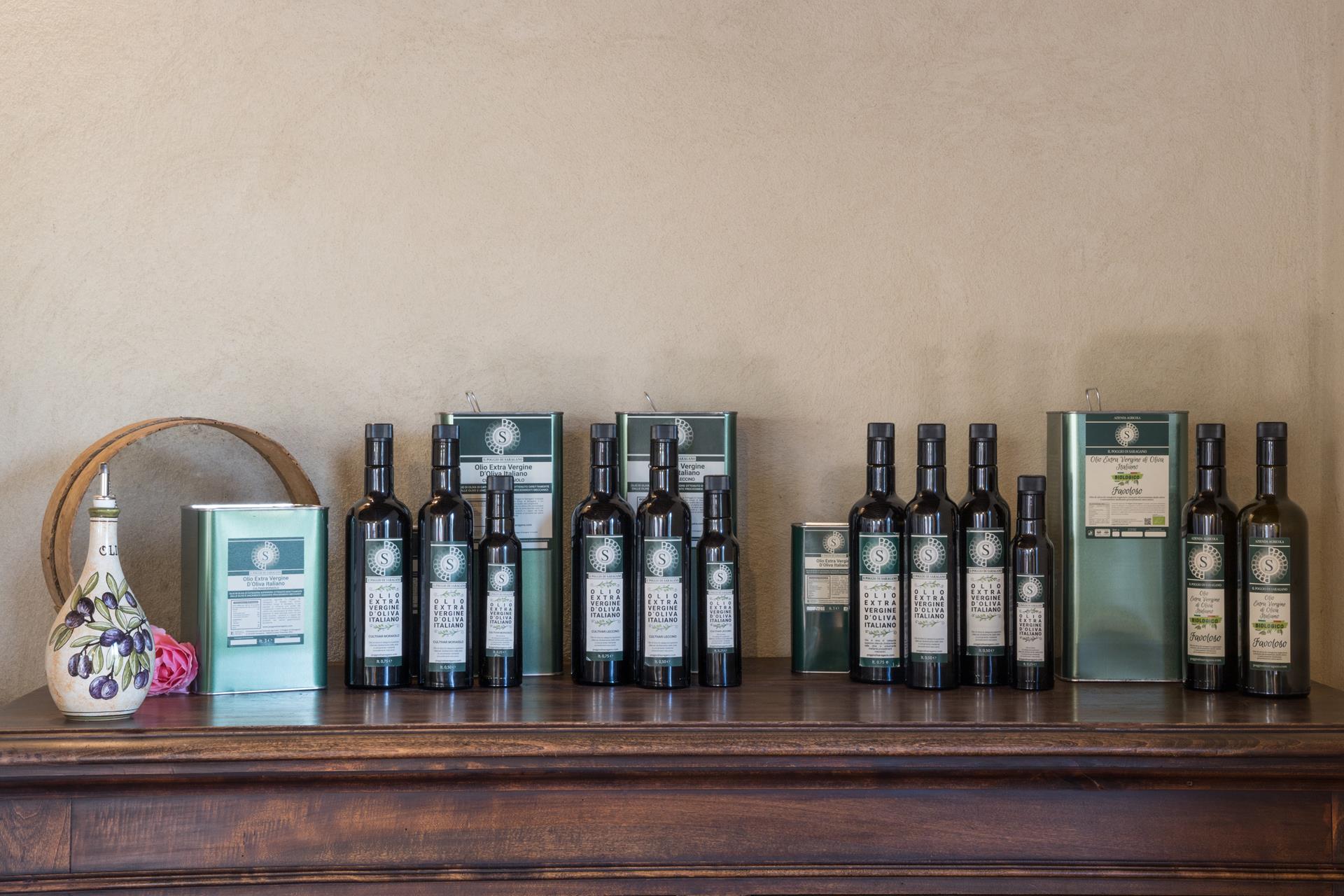
A large room is available to our customers for displaying and tasting our products:
Oil
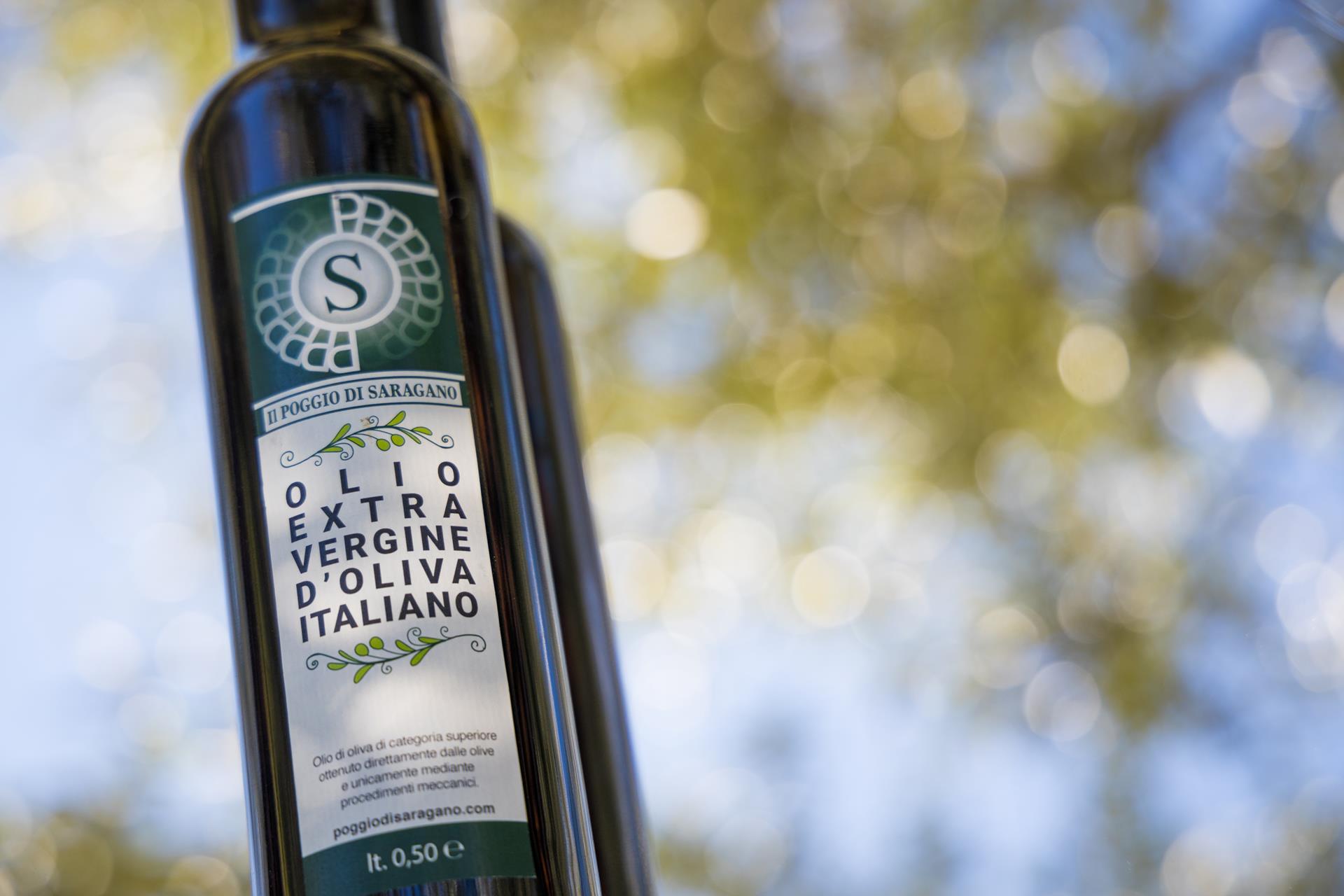
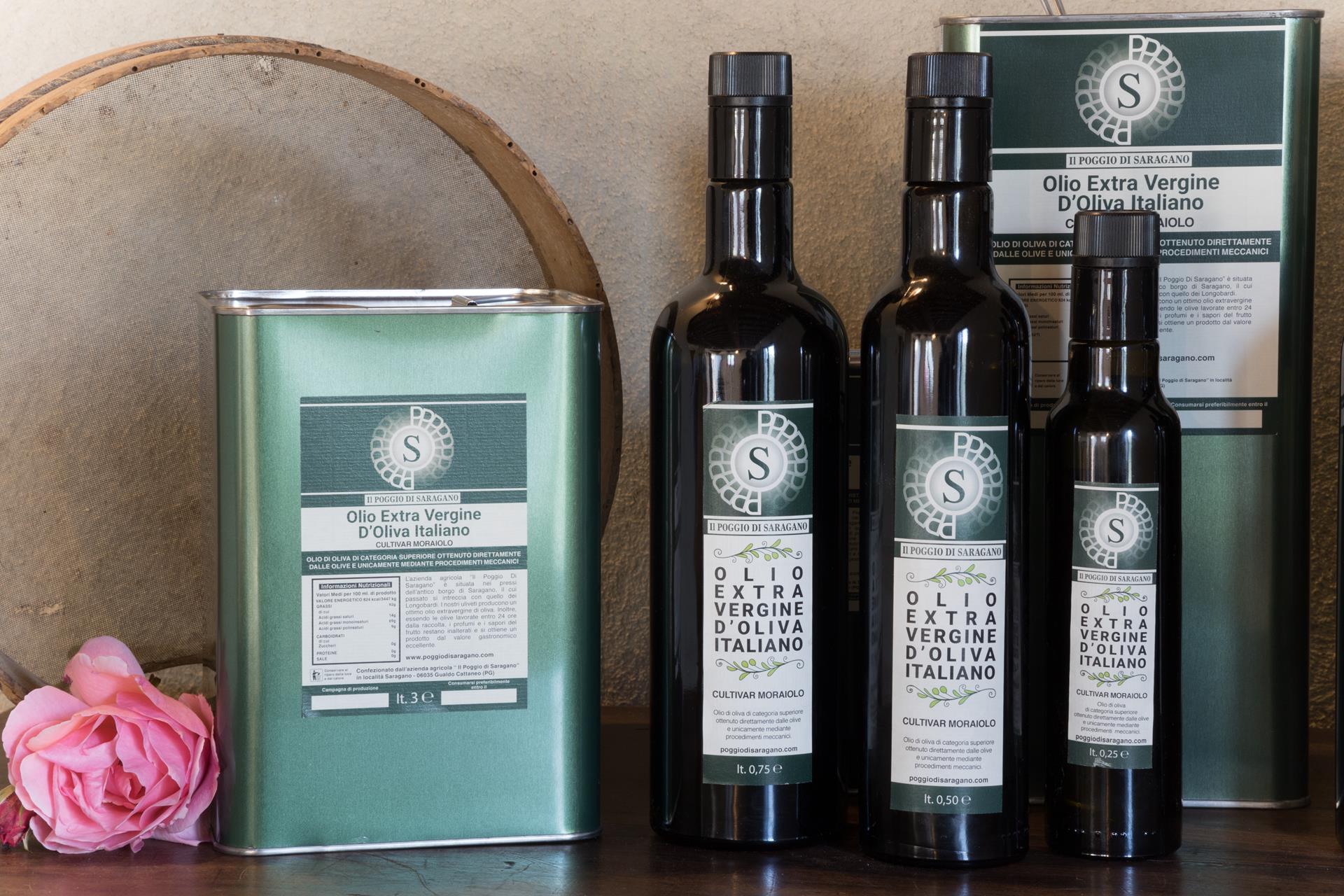
- Blended extra virgin olive oil: Extracted from Moraiolo (30%), Frantoio and Leccino (60%), and San Felice (10%) olives. Harvested starting in the second ten days of October.
Green oil, delicately fruity, with an elegant and rounded aroma, balanced between bitterness and spiciness.
Serving suggestions: Blends well with all condiments and in sauces and fried foods. - Moraiolo monocultivar oil: Extracted from select 100% Moraiolo olives, harvested slightly early at the perfect stage of ripeness. This oil has a deep green color and is fruity with bitter and spicy notes.
Serving suggestions: drizzled on potatoes, lentils, beans, chickpeas, and vegetable soups, red meats, fine fish, and paired with fresh cheeses that enhance the oil’s vegetal component. - Leccino monocultivar oil: Extracted from select 100% Leccino olives, harvested in the first ten days of October. Golden-colored oil, good fluidity, and a delicate flavor with light bitter and spicy notes.
Serving Suggestions: Excellent with fish, grilled vegetables, salads, and white meats. - Organic extra virgin olive oil: Made from olives grown in a natural environment and selected 100% Favolosa.
Certified by ICEA (Institute for Ethical and Environmental Certification).
A deep green product, rich in polyphenols and other volatile compounds that impart a pleasantly fruity flavor and herbaceous notes.
Food Recommendations: Use raw on fish dishes, vegetable appetizers, boiled potatoes, and white meats.
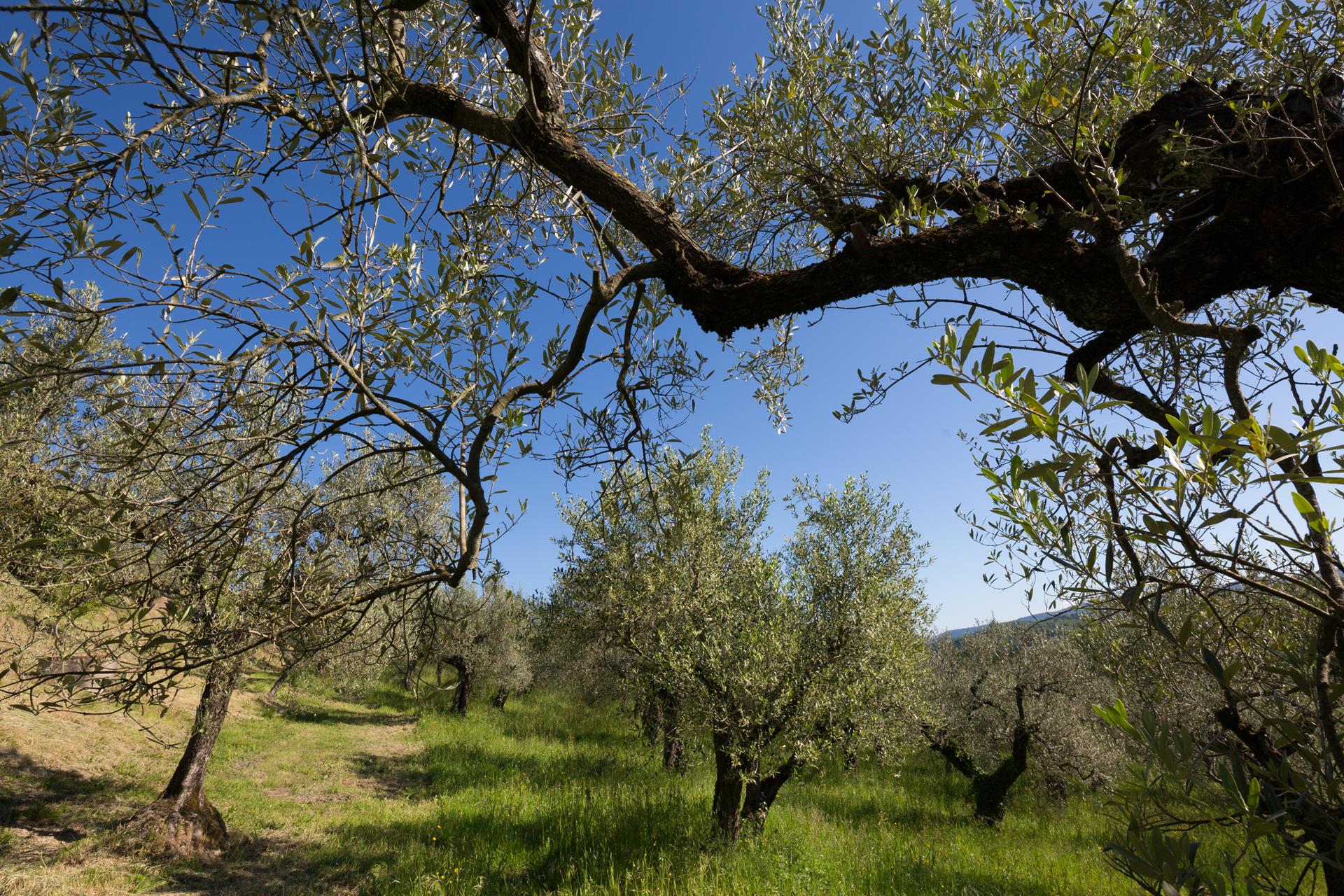
Our olive groves are DOP certified and located in a hilly area near the ancient village of Saragano.
Our company applies organic farming methods, whose benefits extend to both nature and human health.
Electric and pneumatic olive harvesters are used for harvesting; the olives are cold-pressed using modern continuous-cycle systems within 24 hours, thus preserving the product’s organoleptic characteristics.
Wine
Il Poggio RED WINE sold in bulk in Bag in Box
- Grapes: Sangiovese, Merlot, Sagrantino
- Vinification: the grapes harvested in mid-October are left to macerate for approximately 14 days after which the wine is placed in barrels
- Color: ruby red tending towards purple
- Alcohol content: 13.5% vol.
- Aromas: wild berries with vegetal tones
- Flavors: pleasant and well-structured wine
- Pairings: Excellent with grilled meat, fish, roasts and mature cheeses
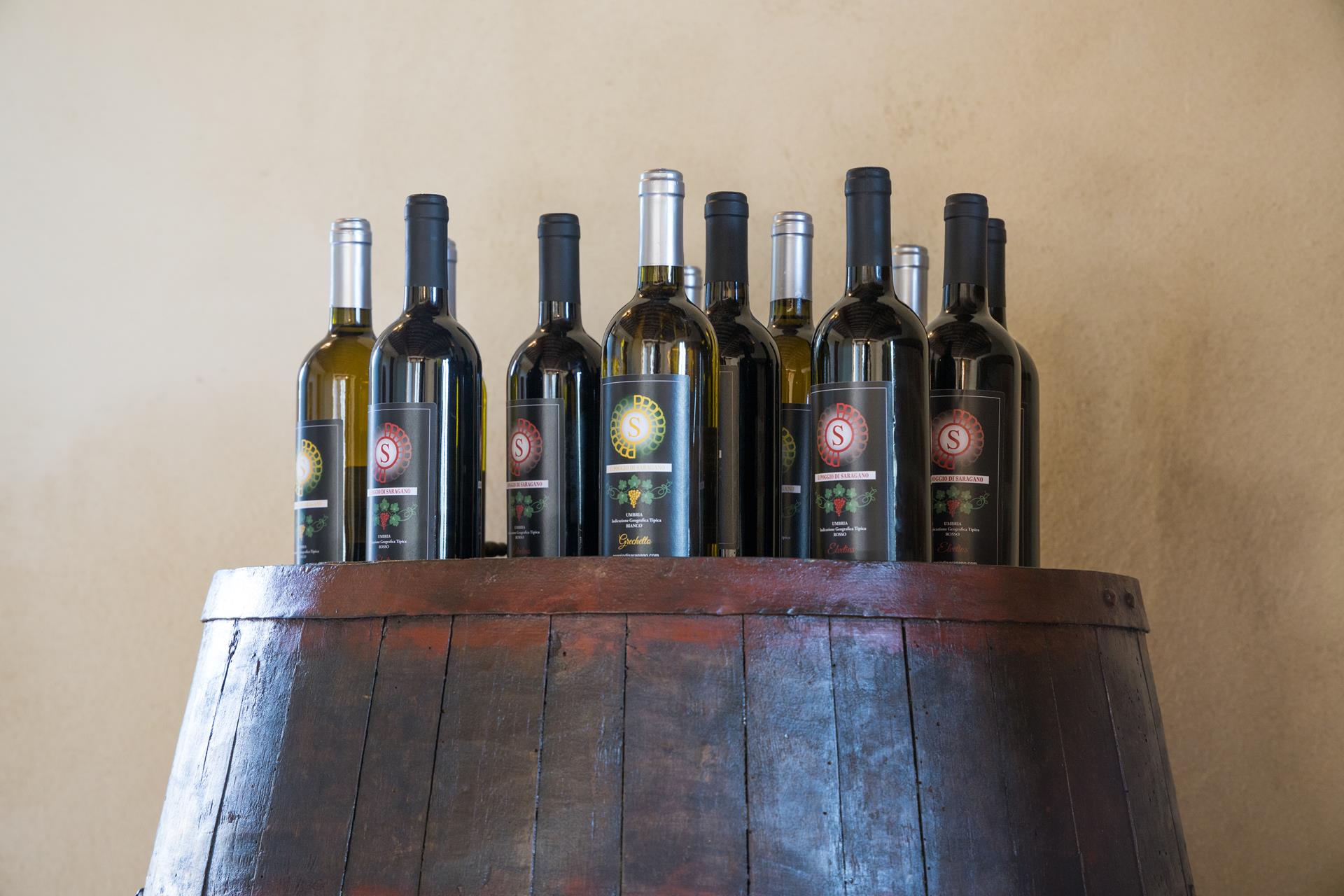
Elvetius RED WINE
- Grapes: Merlot, Sangiovese, Montepulciano enriched with native vine grapes, with a short maceration and a passage in small oak barrels
- Color: Intense ruby red tending towards purple
- Alcohol content: 13.5% vol.
- Aromas: Vinous and persistent
- Flavors: pleasant to drink despite its exuberant youth, with an excellent gustatory-olfactory correspondence
- Pairings: Excellent throughout the meal, it also pairs well with grilled meats, fish, roasts and mature cheeses.
Grechetto WHITE WINE
- Grapes: Grechetto
- Color: Deep straw yellow
- Alcohol content: 13.0° vol.
- Aromas: Intense and delicate, with hints of white-fleshed fruit
- Flavors: Alcoholic and well structured
- Pairings: It is a long-lived wine that pairs well with appetizers, first courses, fish and white meats
Truffles
Approximately 5,000 square meters dedicated to the cultivation of black summer truffles, with the planting of downy oak, holm oak, and hazelnut seedlings.
Legumes
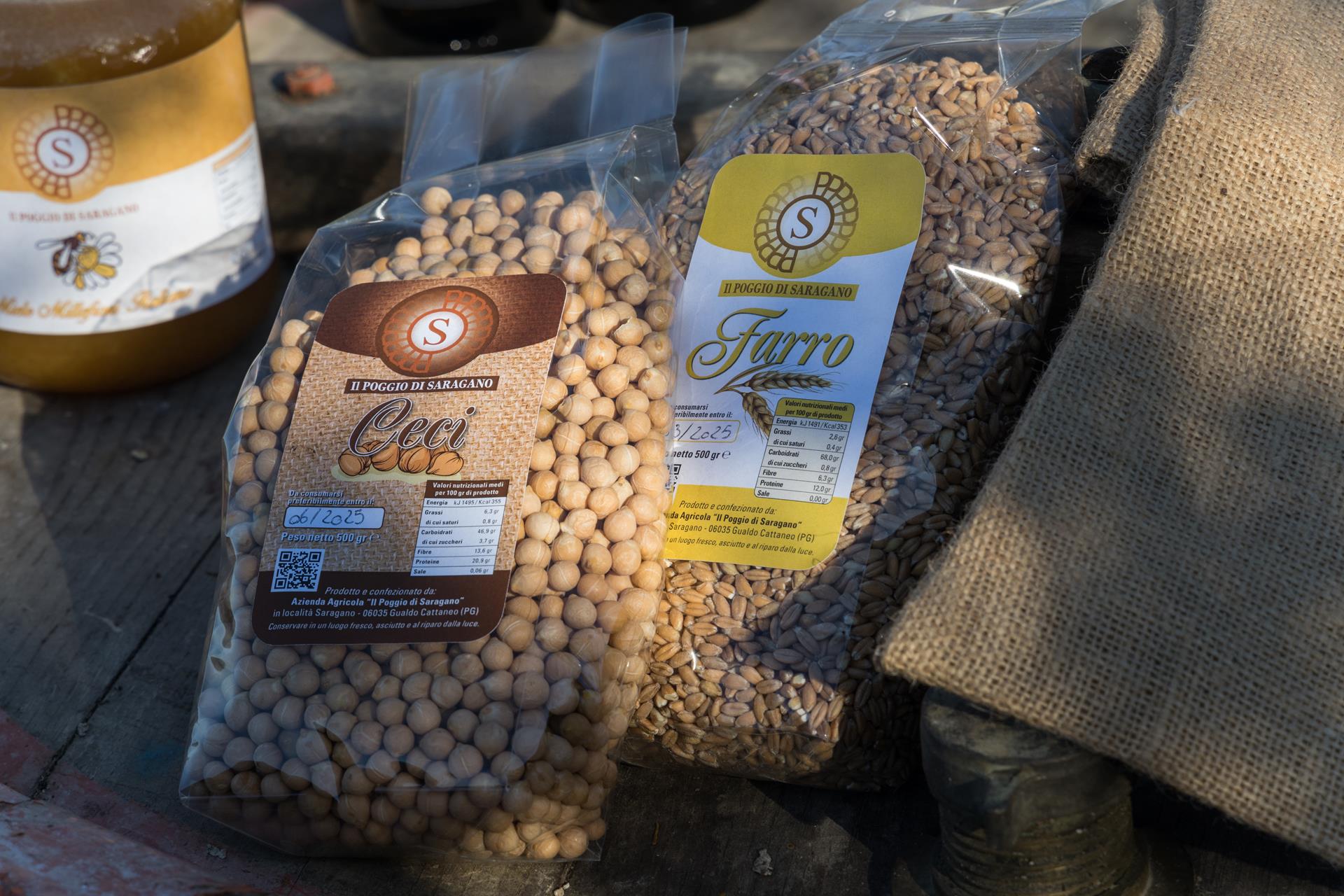
Defined by many generations as “the meat of the poor“: poor only in appearance because the richness of legumes lies precisely in their ability to make meals “nutritionally rich” even for those who cannot afford more expensive foods.
Since ancient times, legumes have provided humans with the nutritional intake they need – they are a valid substitute for meat and fish – while remaining easily available to everyone.
When discussing the properties of legumes, it’s important to first remember which foods fall into this category. Among the best known and which absolutely cannot be missing from our dishes we find: beans, chickpeas, lentils.
The most important nutritional properties of legumes are:
High Protein Content
One of the best-known properties of legumes is their high protein content: they are constantly competing with meat and fish because the latter contain more methionine, a key amino acid, while the plant-based proteins in legumes have the advantage over animal proteins of having minimal fat, zero cholesterol, and the ability to avoid overloading the kidneys and liver.
Mineral and Vitamin Content
In addition to being rich in protein, legumes provide an important source of minerals. In fact, they are rich in iron, magnesium, potassium and calcium. They are also a valuable source of B vitamins.
Nutritional Values
To benefit from the properties of legumes, they must be consumed
correctly: experts recommend always pairing a legume with a grain, as grains compensate for the amino acids missing from legumes, making grains and legumes a perfect, nutritionally complete mix.
Some also recommend adding baking soda or spices to cooking, as they improve digestibility and reduce common side effects such as gas and bloating. Ginger, in particular, contributes to the balanced functioning of the liver and pancreas, while mint and basil promote the formation of intestinal flora, making legumes easier to digest.
Honey
Honey production stems from our great passion for nature and our love for bees, prodigious living beings with magical virtues.
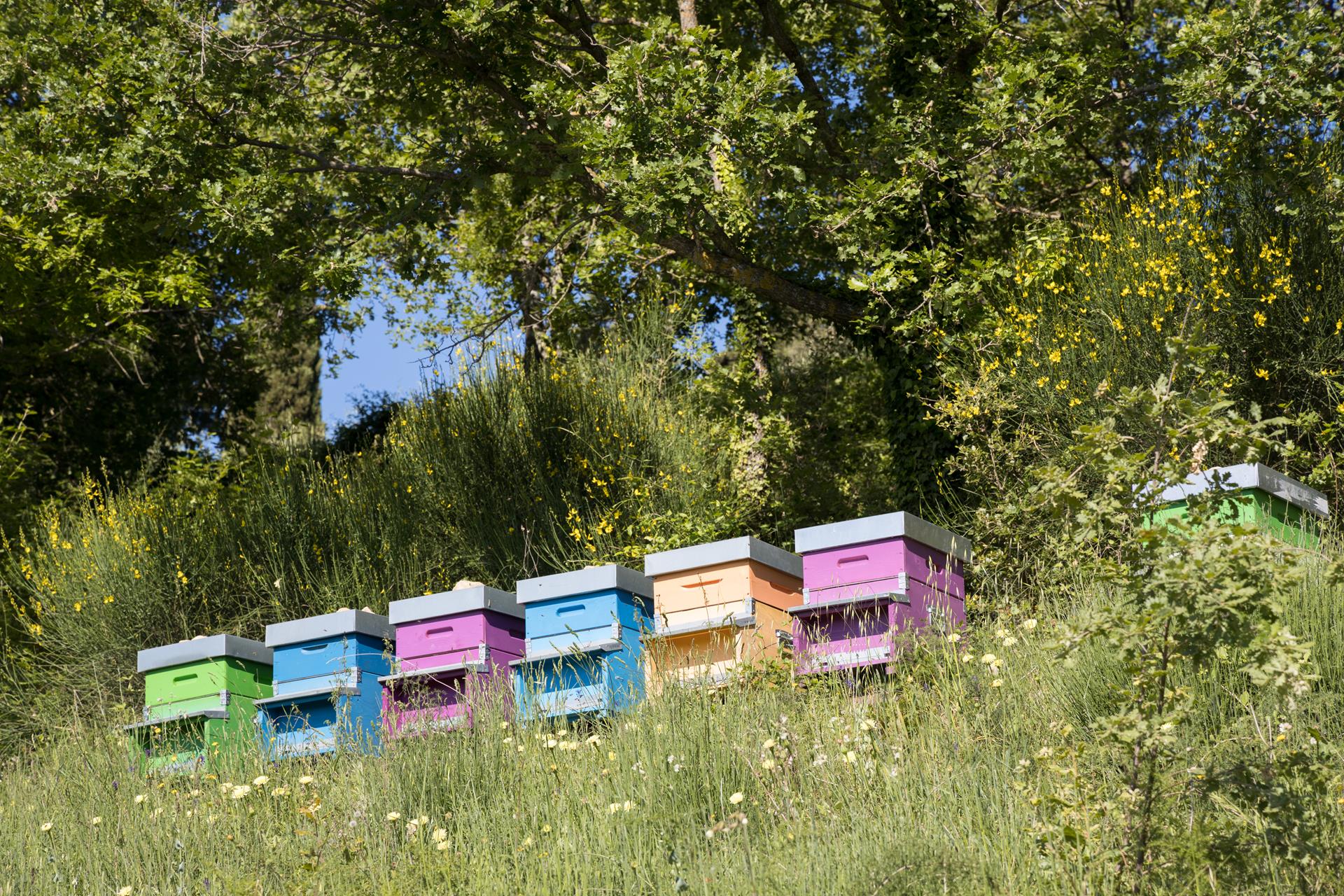
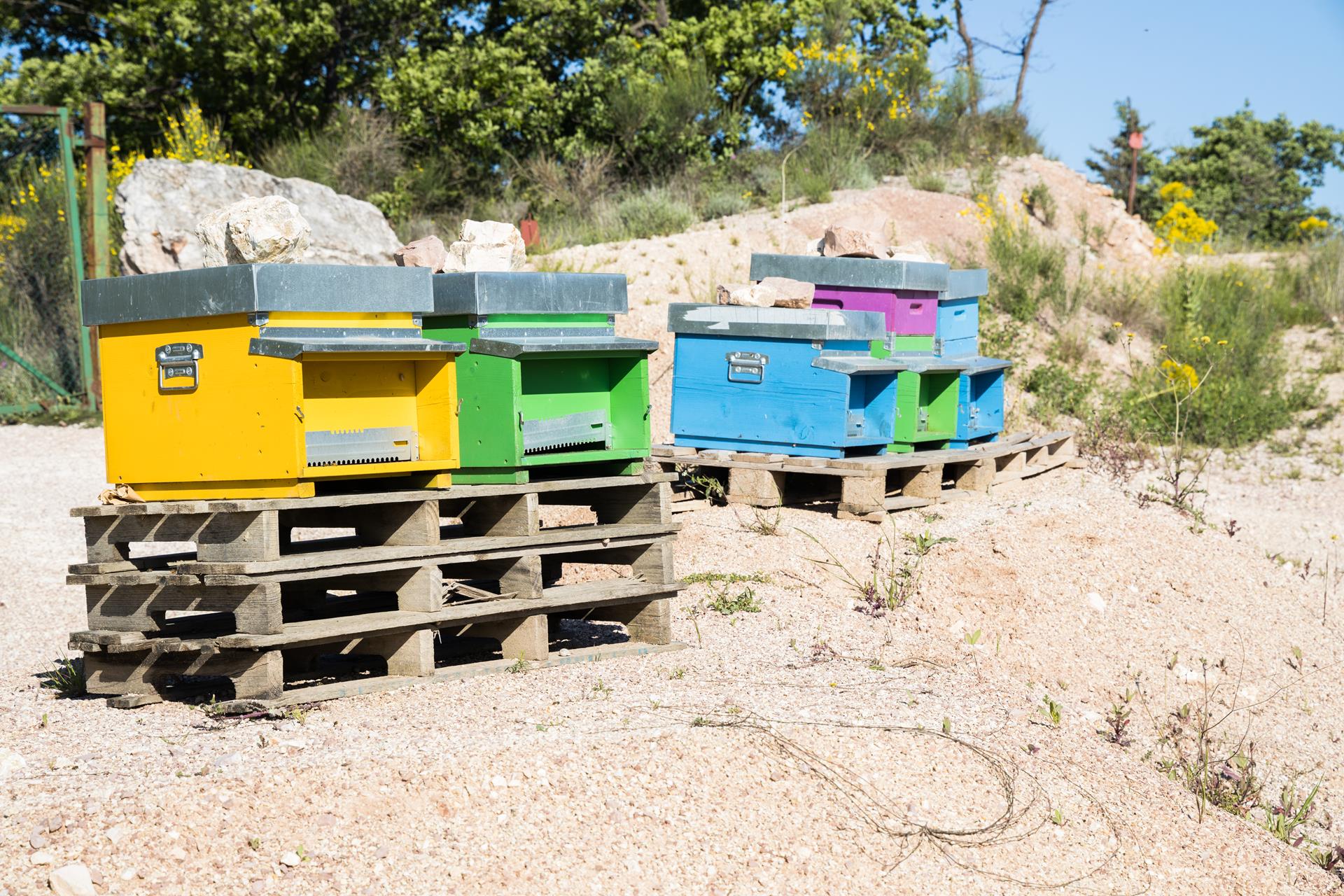
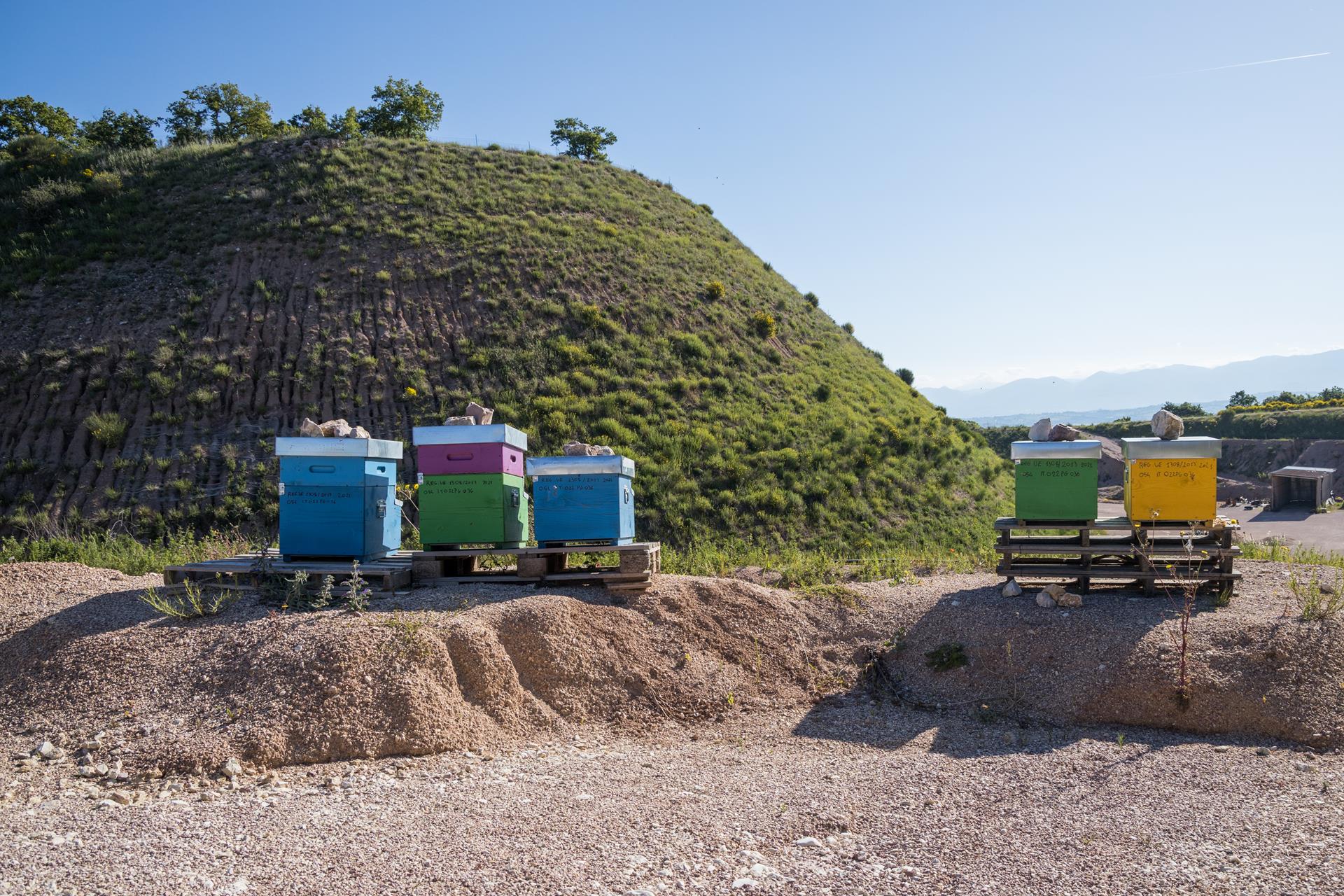
We maintain approximately 50 hives using both sedentary and nomadic beekeeping techniques to produce spring and summer wildflower honey.
We also produce raw propolis and beeswax.
We maintain our apiaries in locations far from sources of pollution.
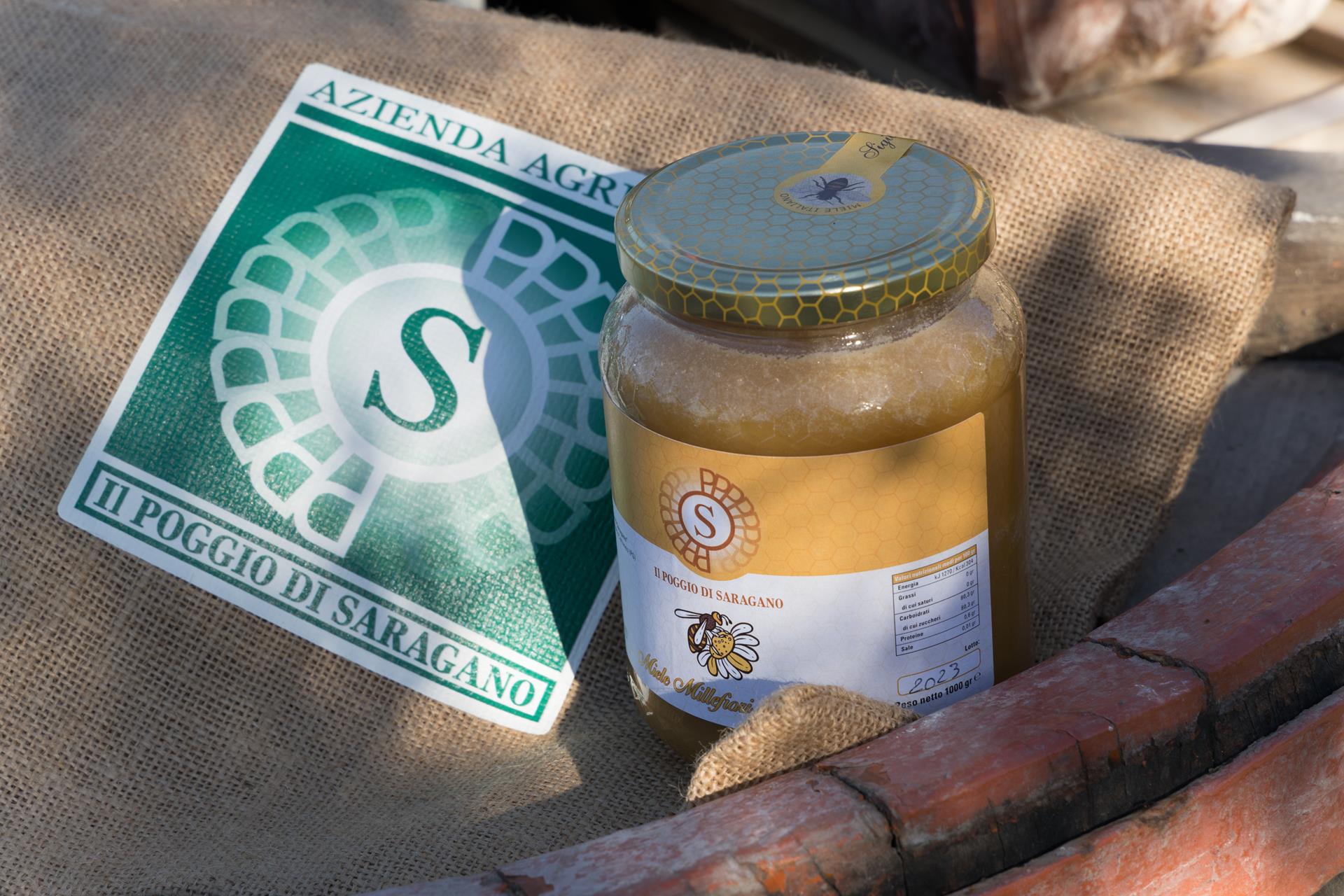
Multifloral honey comes from an unspecified multitude of flowers, so it can have different flavor and color from year to year, which is not the case with monofloral honeys.
Honey is rich in minerals and antioxidants, has a detoxifying effect on the liver, and is a natural antibacterial and anti-inflammatory. It’s also an excellent cough suppressant.
Polyfloral honey is the favorite among most consumers.
Generally higher in fructose than glucose, it’s excellent for breakfast and snacks, while in cooking, it’s recommended for use on fresh cheeses and fruit salads.
Millefiori honey has the following characteristics:
- Color: from straw yellow to light brown.
- Taste: delicate, with fruity notes.
- Perfume: elegant and floral.
- Consistency: liquid in summer, crystallizes later.